Snapdragon 8 Gen 1: Take on the superchip that should power the Galaxy S22

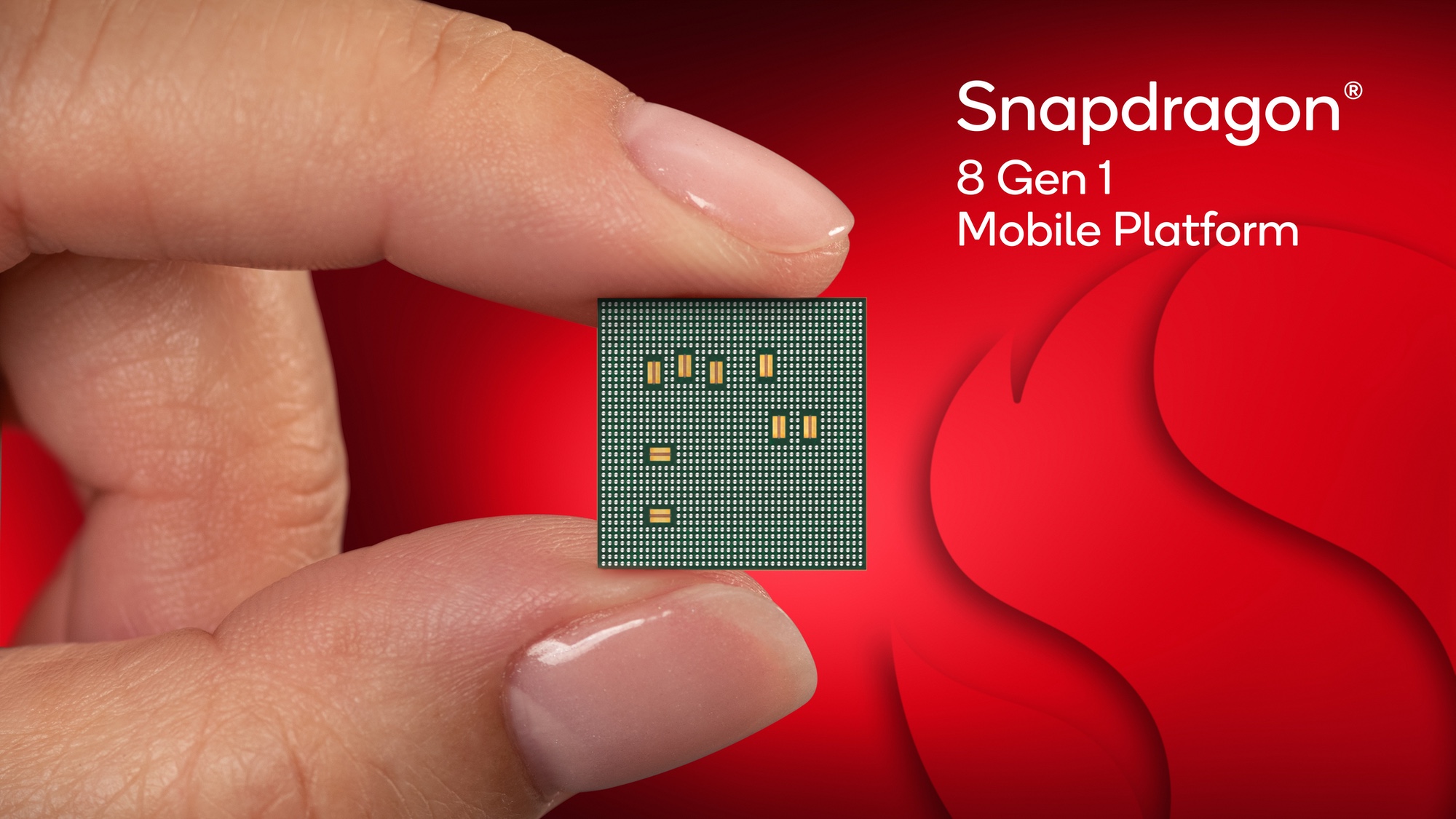
Qualcomm's Snapdragon 8 Gen 1 mobile chipset is here and ready to power the adjacent generation of Android flagships. And it could arrive in phones rather than you might think.
Though Qualcomm traditionally reveals its premium organization-connected-chip around this time each year, the silicon itself doesn't show up in phones until early the incoming year — usually in Samsung's New Galaxy S flagship.
But that could be ever-changing with the Snapdragon 8 Gen 1, as Qualcomm says that devices using the new silicon will get to appear by the end of 2021. With Samsung's Galaxy S22 non foreseen to make an appearance until February of 2022, that likely way other phones featuring the Snapdragon 8 Gen 1 are going to appear before and then.
Careless of which Android phone debuts first with the Snapdragon 8 Gen 1 chipset, Qualcomm is bright big advances in cameras, play and AI. The emphasis happening these particular aspects of the mobile undergo isn't an accident — they're key elements in what people look for in a mobile device, so Qualcomm wants to establish its Snapdragon brand arsenic the leader in those particular areas.
The Snapdragon 8 Gen 1 debuts at an interesting time for mobile processors. Last month saw the launching of Google's Pixel 6 lineup, the first Google phones to vamoose using Qualcomm silicon in favou a new Tensor chipset developed by Google. Patc Tensor more or less matches the performance of the Snapdragon 888, the predecessor to the Snapdragon 8 Gen 1, where Google's chip real shines is in how it uses machine learning to enable features powered by on-twist intelligence such A more dead on target voice dictation and superior call screening.
That, coupled with Apple's success producing high-performance chips for its possess iPhone lineup, ratchets up the pressure on Qualcomm, long the dominant chip maker for mobile phones. Mean of the Snapdragon 8 Gen 1 as the company's first chance to respond to these challenges. Here's what's new.
Snapdragon 8 Gen 1 performance
With its emphasis on other parts of the Snapdragon 8 Gen 1 organisation-on-chip, Qualcomm isn't really dwelling on performance gains offered by the new silicon. Still, expect the Snapdragon 8 Gen 1 to improve upon what the Snapdragon 888 offered, even if Orchard apple tree's A series chips continue the benchmark champ.
For starters, the Snapdragon 8 Gen 1 is built on a 4-micromillimetr litigate, compared to the 5nm Snapdragon 888. The smaller size of it way more transistors fundament fit onto the chipset, boosting power efficiency, and giving the Snapdragon 8 Gen 1 a leg astir on its predecessor.
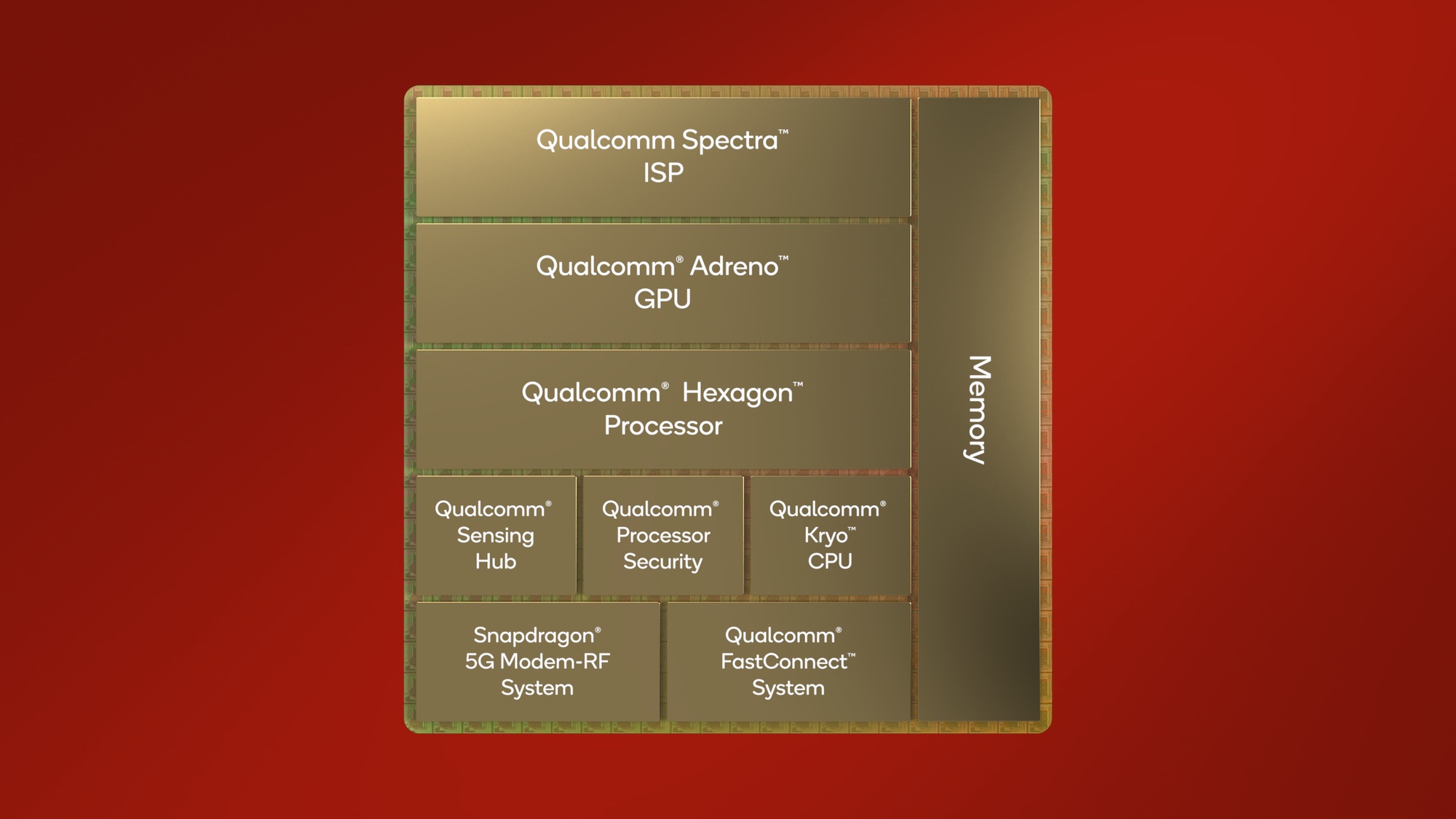
To that end, the Kryo CPU included with the Snapdragon 8 Gen 1 figures to be 20% faster and 30% to a greater extent power efficient than the Snapdragon 888. Applying that power hike to the Geekbench 5 numbers we've seen from Snapdragon 888-powered phones, that could theoretically put the unused chip a great deal in the ballpark of speed numbers produced by A15-powered iPhone 13 mob. Of course of action, only true benchmarks will tell trueness chronicle. (Thereto end, the early Snapdragon 8 Gen 1 benchmarks are come out, showing only coy improvement from the Snapdragon 888.)
The Adreno GPU along the Snapdragon 8 Gen 1 should see similar gains finished its predecessor — Qualcomm's promising a 30% improvement in speed and 25% more power savings. That should admit the Snapdragon 8 Gen 1 to remain the go-to silicon for the best gaming phones, though the true improvements to gaming include more than just speedier carrying out, atomic number 3 we'll discuss shortly.
Snapdragon 8 Gen 1 television camera features
Besides the CPU and GPU, Qualcomm's system-on-break off includes an image point processor (ISP) that powers galore of the camera features you'll find along smartphones. For the Snapdragon 8 Gen 1, Qualcomm's adding an 18-bit ISP — a boost from the 14-minute ISP previously featured on the Snapdragon 888. As a result, the new ISP behind capture 4K more camera information than its predecessor for greater dynamic range, color and sharpness.
That ISP — part of what Qualcomm is billing equally its Snapdragon Sight technologies — as wel happens to be faster. It can capture images at 3.2 gigapixels per second, a boost from the 2.7 gigapixel-per-intermediate speed found in the Snapdragon 888's ISP. That would allow you to double the amoun of burst shots you can get in a second to 240.
The ISP on the Snapdragon 8 Gen 1 supports 8K HDR picture capture — Qualcomm says that's the first metre such a feature has been available on wandering — and thither's a new Bokeh engine to add rustling backgrounds to videos shot along mobile devices.
The Snapdragon 888 introduce a triple ISP to Qualcomm's chipsets, but there's now a quarter ISP on the Snapdragon 8 Gen 1. It's thither to support always-on functionality with low-ability phthisis so that a phone's look photographic camera can always be at the ready and waiting to unlock the device when it detects your face.
Snapdragon 8 Gen 1 gaming features
Recent Snapdragon chipset introductions have touted Qualcomm's Snapdragon Elite group Gambling features, which take aim to bring desktop-quality gambling experiences to mobile devices. That's continuing with the Snapdragon 8 Gen 1, which introduces a trio of noteworthy gaming-focused enhancements.

The new Adreno Frame Motion engine looks to boost the number of frames per second that Snapdragon 8 Gen 1 devices can roil stunned without an equal hike up to power consumption. Qualcomm says the new feature can double the amount of frames patc consuming the same amount of energy as before.
Volumetric rendering is a desktop-style capableness brought to phones that promises to pad the realism of certain types of graphics. Specifically, the feature should make effects like fog and smoke appear more realistic.
Another play feature — Variable Rate Shading Pro — should appeal to game makers. It allows them to greater verify for fine-tuning game performance.
Snapdragon 8 Gen 1 imitative intelligence
With colored intelligence behind an increasing telephone number of features that smartphone users presume, expect Qualcomm to break down into worrying particular on just how the Snapdragon 8 Gen 1 measures up. IT starts with the 7th Gen AI Engine which doubles the performance and the size of the shared memory of the railway locomotive's tensor particle accelerator. Overall, Qualcomm says the new AI Engine is 4x faster than its predecessor spell improving power efficiency past 70%.
More than antitrust altogether numbers racket, though, Qualcomm is speaking up AI-powered experiences. The Snapdragon 8 Gen 1 integrates Leica Leitz Looks filters for improving bokeh effects and colours on images. Hugging Face's natural language processing tools can analyze and prioritize any notifications your call receives. Qualcomm also says it's on the job with Sonde Health to use along-device AI to analyze user voice patterns to maculation any potential drop health risks, such as asthma or depressive disorder.
Snapdragon 8 Gen 1 connectivity
When it declared the new naming scheme for its chipsets, Qualcomm also said it would no more single proscribed 5G connectivity for its versatile offerings — at this point, 5G connectivity is a given. And on the Snapdragon 8 Gen 1, it should be better than ever.
The chipset features a 4th-gen Snapdragon X65 5G modem system capable of hitting 10 Gbps speeds. (Now if only 5G networks would approach that supposititious travel rapidly limit.) In addition to increased support for more global networks, frequencies and bandwidths, the modem is the offse to feature 5G uplink carrier aggregation, giving upload speeds a further.
In addition to 5G, the Snapdragon 8 Gen 1 includes Qualcomm FastConnect 6900 Perambulating Connectivity System with patronage for Wisconsin-Fi 6 and 6E. Receiving set speeds can strive a theoretical 3.6Gbps as a result.
Snapdragon 8 Gen 1 phones
So off the beaten track, OnePlus, Oppo, Motorola, Nubia, Sony, ZTE, Xiaomi, Laurel and others sustain bespoken to featuring the new Snapdragon in their phones. Some of those phone makers have subsequently released many details, with the Xiaomi 12 likely to be the first phone to feature the new chipset. But Motorola beat Xiaomi to the punch, with the Edge X30 being the first telephone set to have the new chip. Unfortunately, it's China-just.
None of the phones mentioned above are likely to contact the U.S., though. But the OnePlus 10 will, and OnePlus co-founder Carl Pei has confirmed that a next-generation OnePlus phone will employ the Snapdragon 8 Gen 1. We can only assume he's referring to the OnePlus 10.
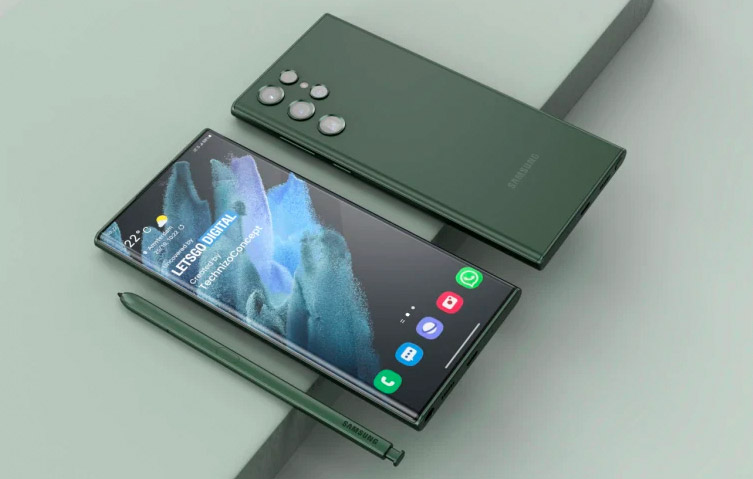
Samsung typically uses the latest Snapdragon flagship silicon in its Galaxy S phones, and we wouldn't gestate the Galaxy S22 to make up whatever variant. If anything, Qualcomm expects to glucinium in many Wandflower S phones in 2022, and you'd have to think the Snapdragon 8 Gen 1 wish play a big part in that.
Snapdragon 8 Gen 1 outlook
We'll have to bench mark the Snapdragon 8 Gen 1 ourselves to see how the original chipset's performance compares to Google's Tensor and Apple's A15 Bionic fleck. More significantly, we'll need to quiz out a Snapdragon 8 Gen 1-powered gimmick to see how the promised camera, gaming and AI improvements manifest themselves in a shipping product. That, more than anything, will determine whether Qualcomm can keep its place atop the mobile chip-making market.

Philip Michaels is a senior editor at Tom's Scout. He has strong opinions about Apple, the Oakland Athletics and old movies. Follow him at @PhilipMichaels.
Snapdragon 8 Gen 1: Meet the superchip that should power the Galaxy S22
Source: https://www.tomsguide.com/news/snapdragon-8-gen-1
